Mold spores are already present in nearly every home, waiting for the right conditions. Under favorable conditions, those spores can begin to germinate and visible colonies can appear within 24 to 48 hours of water exposure. Within a week, a damp wall cavity or waterlogged carpet pad can support an established colony that’s spreading rather than starting. That timeline is why the first day after a leak, pipe failure, or flood matters more than almost anything else in the recovery process.
The 24-to-48-Hour Window: What’s Actually Happening
Mold doesn’t need standing water to grow. It needs moisture, a food source (drywall paper, wood framing, dust, carpet fiber all qualify), and time. Once a material’s surface stays wet, relative humidity in that pocket of air climbs past the threshold mold spores need to activate, typically above 60 percent. In a Pittsburgh basement after a sump pump failure or a spring thaw seepage event, that threshold gets crossed fast because below-grade spaces already run humid.
The practical result: a water event you address on day one is a drying job. The same event left unaddressed through day three or four is often a mold job layered on top of a drying job, which costs more and takes longer to resolve.
What Affects How Fast Mold Takes Hold
Not every wet material molds at the same rate. A few variables matter more than people expect:
- Material type. Drywall paper, particleboard, and carpet backing colonize faster than solid wood or concrete.
- Ventilation. A closed-off room or a wall cavity with no airflow traps humidity and accelerates growth compared to an open, circulating space.
- Water source. Clean water from a supply line behaves differently than water that’s been sitting or came from a sewage backup, which introduces organic material that feeds mold faster.
- Temperature. Mold growth slows in cold conditions but doesn’t stop. A Pittsburgh basement in January is still warm enough, especially near a furnace or water heater, for colonization to proceed, just somewhat slower than in July humidity.
- Hidden moisture. Water that gets behind baseboard, under flooring, or into wall cavities can stay wet long after the surface looks dry, which is why surface-dry rooms sometimes still develop a musty smell weeks later.
Immediate Steps After Water Damage
- Stop the water source if it’s still active, shutting off the supply valve to the fixture or the main if the source is unclear.
- Remove standing water with a wet vac or mop as soon as it’s safe to do so. Every hour it sits is an hour closer to that 24-to-48-hour window.
- Move wet contents off the floor. Furniture legs, rugs, and boxes sitting in wet carpet wick moisture and slow drying underneath them.
- Increase air movement. Open windows if the outdoor humidity is lower than indoor, run ceiling fans, and point box fans at wet flooring and baseboards.
- Run a dehumidifier if you have one, especially in a basement or a room without good natural ventilation.
- Photograph everything before you move or discard materials, for your own records and for any insurance claim.
- Pull back carpet edges (without full removal) to let the pad underneath start air-drying, if the water is limited to a small area.
What Not to Do
- Don’t seal the room up tight thinking you’re containing a smell. Stagnant air is exactly what lets mold establish.
- Don’t paint or caulk over a damp wall to “cover” discoloration. Paint traps moisture underneath and often accelerates hidden growth.
- Don’t run only the air conditioner and assume it’s drying the space. AC removes some humidity but isn’t a substitute for targeted air movement across wet materials.
- Don’t wait to see if the smell goes away on its own. A musty odor after a water event is a sign that moisture is still present somewhere, not a smell that resolves without the source being addressed.
- Don’t disturb visible mold growth by scrubbing, brushing, or sanding it without containment. That releases spores into the air and can spread contamination to rooms that were previously unaffected.
When to Call a Professional
A small spill that’s fully dry within hours rarely needs anyone beyond a mop and a fan. Call in help when any of these apply:
- The water sat for more than 24 to 48 hours before it was addressed.
- Water reached a wall cavity, subfloor, or any space you can’t fully see and dry yourself.
- You notice a musty smell that wasn’t there before, even if you can’t see visible growth.
- The water source was sewage, a sustained roof leak, or anything other than clean supply-line water.
- You have respiratory sensitivity, asthma, or allergies and want the space assessed before you’re in it regularly.
At that point, a mold inspection can confirm whether growth has started and where, using moisture meters and visual assessment rather than guesswork. If water damage is active or recent, water damage restoration focused on structural drying, done to the IICRC S500 standard, addresses the moisture itself so mold doesn’t get the window it needs. If mold has already established, mold remediation involves containment, material removal where needed, and controlled drying rather than surface cleaning alone.
The Longer Recovery Process
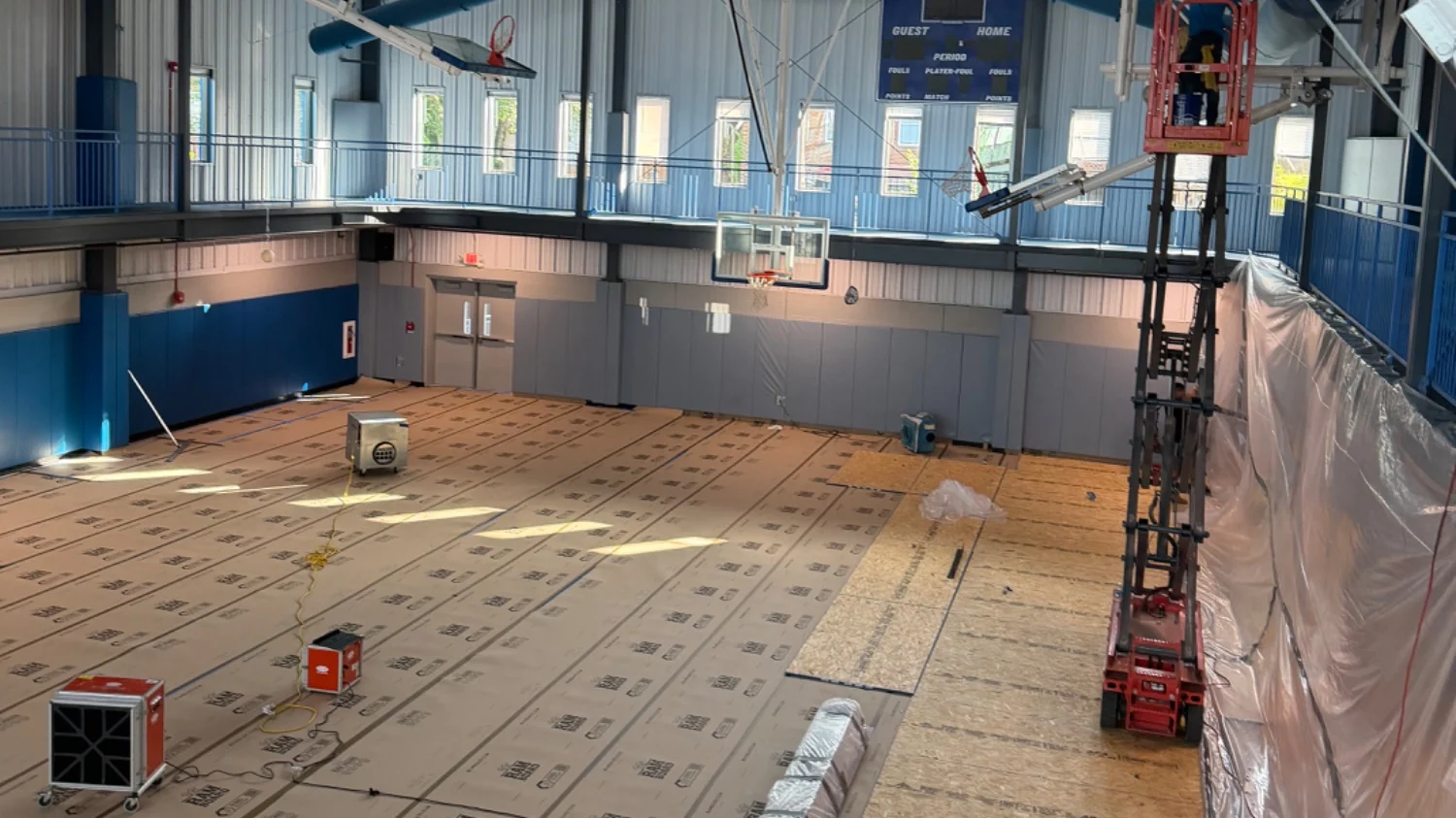
Structural drying after a real water event, not just a spill, typically takes several days of monitored dehumidification and air movement, with moisture readings checked rather than assumed. Materials that were saturated, like drywall, insulation, or carpet pad, sometimes need to come out rather than dry in place, particularly if they sat wet long enough to be past the window where drying alone resolves it. In older Pittsburgh housing stock, plaster-and-lath walls behave differently than modern drywall: the plaster surface can read dry while the lath and the air gap behind it stay damp for much longer, which is part of why professional moisture mapping matters more than a visual check in homes built before the 1960s.
If mold is already present, remediation follows containment protocols so spores aren’t spread to unaffected rooms during removal, followed by cleaning or removal of the affected materials and a final clearance check before the space is considered resolved.
If you’re dealing with a recent leak, a basement that flooded, or a smell you can’t place, the window to act is measured in hours, not weeks. Katofsky Construction LLC serves Pittsburgh and the surrounding communities with mold inspection, mold remediation, and water damage restoration, and can assess whether you’re still in the drying window or already past it. Call (412) 304-9284 to talk through what you’re seeing before it becomes a bigger job.